


Learn About Princeville
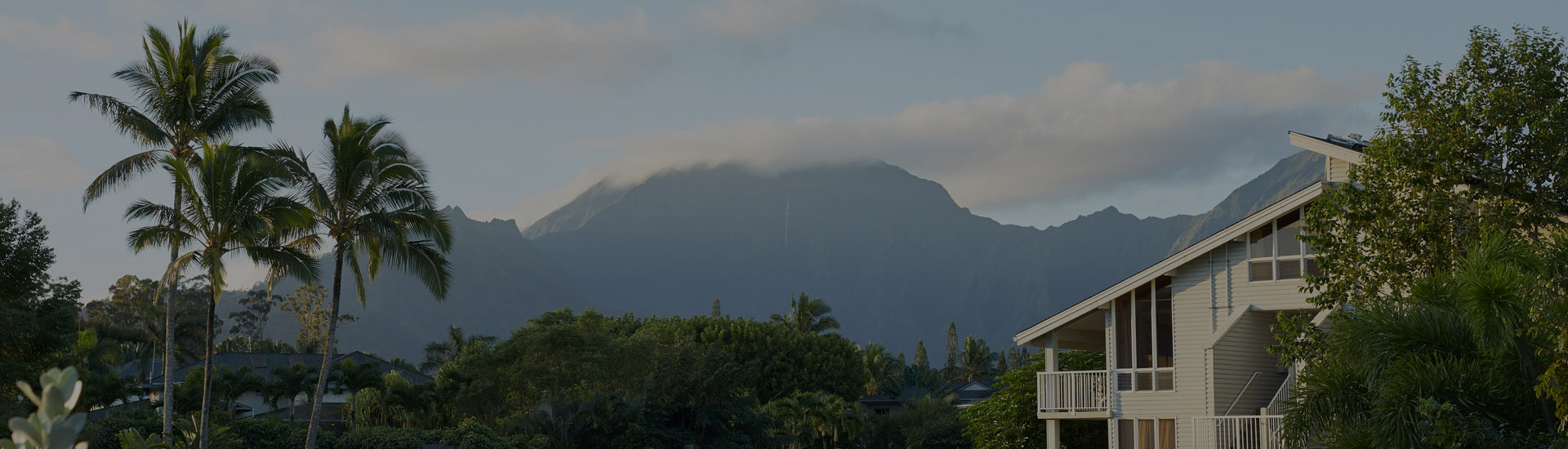
Overlooking Hanalei Bay was the plateau, which is now known as Princeville – a place of spiritual mana or power. From the community’s present site to Po’oku, just beyond the highway, there is said to have been one of the largest hala (pandanus) groves throughout Hawaii. The grove was celebrated in many chants and stories, as the hala was very important to the Hawaiian people. The presence of the tree indicated that there were abundant water sources, and the leaves provided weaving material for mats and other household items. Further up Po’oku was one of Kauai’s largest heiau, meaning temple.
The site of the Princeville Hotel was known as Pu’u poa or pu’u pa’oa — pu’umeaning mountain, and pa’ao meaning the staff of the Fire Goddess, Pele, who, when searching for a new home would strike her staff into the earth to create a new crater. Directly below the hotel is a marshy area known as kamo’omaika’i, the site of a large fishpond.
“I never saw such a romantically beautiful spot in all my life time. Were I forty years younger… I would throw the Foreign Office with all its musty papers in the King’s hands and spend the remainder of my life here,” so declared Robert Crichton Wyllie, the founder of Princeville at Hanalei, during the building of his Kauai retreat in 1860. After a lifetime of adventure, success in the financial world and at Hawaii’s royal court, Robert Crichton Wyllie, a Scotsman, served as minister of foreign affairs for the Kingdom of Hawaii for 20 years. It was Wyllie who purchased much of the Hanalei area, planted sugar cane and coffee, constructed a large, modern sugar mill in Hanalei, and built himself a plantation estate, Kikiula, near the present resort site.
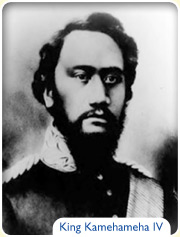
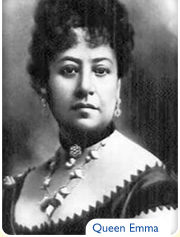
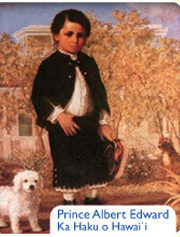
In 1860, Wyllie hosted his dear friends King Kamehameha IV, Queen Emma and their two-year-old son, Prince Albert at his estate for several weeks. In honor of the child, the most beloved ali’i of all Hawaii, Wyllie named the plantation the Barony de Princeville, the City of the Prince. A great tragedy befell the royal family and the kingdom when Albert, Hawaii’s only prince, died at the age of four.
Princeville, the legacy of a small Hawaiian Prince who did not live to rule his “barony,” continues to honor its origins and its history.
Na Leo ‘O Princeville, A publication of Princeville Corporation & Princeville Utilities Company, Inc., Spring 2003
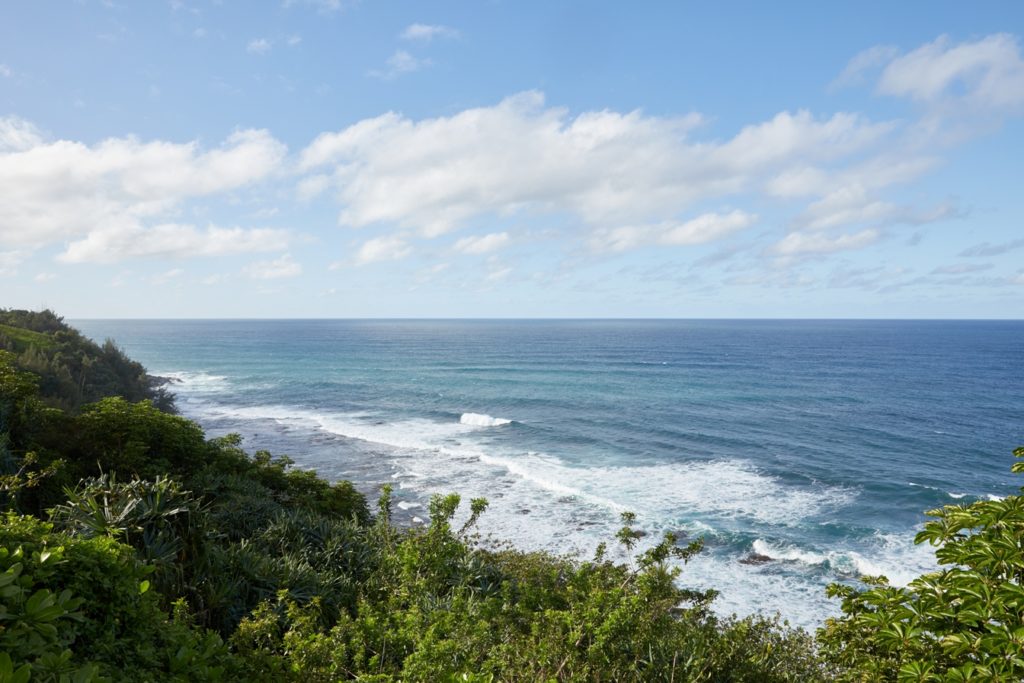
Kauai’s north shore has often been described as magical. It is here that beauty and magic seem to merge, peaceful in the way of nature at its most inspiring. Panoramic views abound with distant mountains rising from fertile plateaus that have been in pasture for more than a hundred years.
Princeville Ranch was the oldest ranch on Kauai. Founded in 1853 by Robert Crichton Wyllie, a Scotsman who served the Hawaiian Kingdom as Minister of Foreign Affairs, he called the ranch Princeville following a two week visit of Kamehameha IV, Queen Emma, and their two year old son, Prince Albert. This last child born to any Hawaiian monarch would soon die two years later. Today, ranching and resort development can be found on Princeville’s 11,000 acres.
Hanalei means crescent bay. During ancient times, the Hawaiians had a major village clustered around the picturesque bay. This bay linked the north shore to the outside world, as well as providing abundant fishing. By the 1830’s, Protestant missionaries had settled and built the Waioli Mission. Whalers soon came, and then livestock and crops ranging from rice to taro were exported on inter-island steamers. During the winter stormy months, the harbor could be hazardous to larger boats.
The gateway to Hanalei, a one-lane steel truss bridge built in 1912, is the oldest bridge of this type now found in the state. It symbolizes the slower lifestyle of the area’s community. Hanalei has retained the spirit of a South Seas outpost, with plantation era buildings.
The Eight Coastal Miles
The eight coastal miles that link Hanalei and Na Pali coast emphasize Hanalei’s beauty and appeal. Hawaiians believe that Menehune, spirits, and gods, live in the forested valleys and the wet and dry caves along the coast. On a hillside overlooking Kee Beach at the end of the road, they built a temple to Laka, the goddess of hula. Kee Beach is also the beginning of the eleven-mile trail along the coast of Kalalau Valley.

Get Every 5th Night Free
at The Cliffs!
at The Cliffs!
This summer, lower your costs and your carbon footprint with a Fifth Night Free at The Cliffs at Princeville voted the #1 Eco-Friendly Resort in America by readers of USA Today!
Call now to book! Offer valid from 5/1- 5/31"
Call now to book! Offer valid from 5/1- 5/31"
WELCOME BACK!
Video not found